
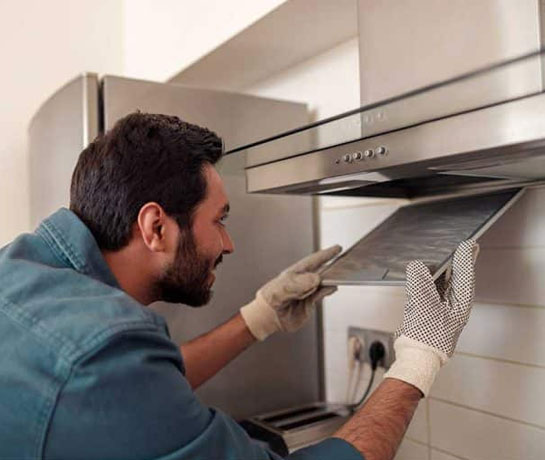
Indications That Your Chimney Needs Quick Repair
Your chimney serves a silent but essential purpose in the kitchen of your house. While you cook, it safely removes heat, gases, and smoke from your house. When an issue gets serious, most households realize something is wrong. Ignoring minor fractures, noise, oil leaks, problems with oil suction, and obstructions can eventually develop into serious safety risks. Your chimney is already exhibiting warning signs if you are looking for chimney repair services in your area. The most typical indicators that your chimney needs to be fixed right away are listed in this guide so you can take action before the issue gets dangerous or expensive.
Why Is Chimney Maintenance Needed?
An underutilized portion of your house is all that a damaged chimney is. In addition to making your kitchen greasy and dirty, it causes smoke and cooking oil aromas to travel throughout your house. In addition to prolonging the life of your chimney, routine inspections and prompt repairs help keep your kitchen and house clean. Long-term neglect of chimney issues might result in expensive repairs. As a result, it’s best to pay attention to the early warning indicators and get in touch with a reputable chimney repair company nearby as soon as you can.
There are many different kinds of chimneys, and depending on their model, issues, and use, they require care.
Common Chimney Problems: Cooking is actually made more enjoyable by kitchen chimneys.
By eliminating smoke, oil fumes, and unpleasant aromas from the kitchen, kitchen chimneys actually improve cooking comfort. Like other household equipment, chimneys may eventually experience issues from frequent use, such as electrical problems or grease accumulation. When these issues occur, a lot of households begin looking online for a trustworthy local chimney repair company to promptly fix their kitchen chimney. Some of the typical chimney issues that experts typically resolve during repair services are listed below. Poor suction, panels that don’t rise smoothly, oil leaks, strange noises, touch panel issues, and other issues are the main issues that are resolved.
Chimney not turning on: Not turning on the chimney at all is one of the most frequent issues. An internal circuit issue, a broken power source, or an electrical malfunction could be the cause of this. A loose connection inside the chimney or in the control panel may occasionally be the source of the issue. A qualified specialist from a nearby chimney repair company may examine the wiring and securely resolve the issue.
Weak or nonexistent suction: Your chimney may have inadequate suction if it is operating but not effectively eliminating smoke. Grease accumulation, a clogged filter, or a blocked flue pipe are typically the causes of this issue. Cooking might be difficult when there is inadequate suction because smoke and oil odors can linger in the kitchen. Proper suction can be restored with routine cleaning and prompt maintenance from a chimney repair service near me.
Excessive vibration or noise: When a chimney is working, it usually emits a quiet sound, but loud noises or vibrations may be a sign of a technical issue. This may occur if the blower fan is loose, the motor is damaged, or the internal components are unbalanced. It is important to have an inspection from a reputable chimney repair company in your area because ignoring this issue could lead to additional damage to the chimney motor.
Oil or grease leakage: Cooking oil and grease accumulate in the grease catch tray and chimney filter over time. Oil may begin to leak from the filter or fall into the stove if the chimney is not cleaned on a regular basis. This can lower the chimney’s effectiveness in addition to making a mess. Oil leaks can be avoided, and performance can be enhanced with proper cleaning and maintenance by a local chimney repair company.
Motor not working or burning smell: The kitchen chimney’s engine is its lifeblood; it can malfunction or emit a burning smell. Internal damage or overheating may be indicated by a burning smell or motor failure. Continuous use without filter cleaning may put the engine under tremendous stress, which could lead to motor failure. A trustworthy chimney repair company in my area must offer professional repair or motor replacement in these circumstances.
Failure of a touch panel or control button: Modern chimneys employ touch panels or control buttons to adjust the illumination and suction level. Sometimes, electrical problems, moisture accumulation, or grease buildup cause these panels to stop responding. When the control system fails, it becomes difficult to operate the chimney properly. An expert from a local chimney repair business can either replace or repair the damaged panel.
Chimney not working: One of the most common problems is that the chimney is never turned on. This could be the result of an electrical fault, a damaged power source, or an internal circuit problem. Sometimes the problem stems from a loose connection in the control panel or inside the chimney. An expert from a local chimney repair business may inspect the wiring and safely fix the problem.
FAQs:-
Commonly Asked Questions
- How frequently ought a chimney to be examined?
To make sure your chimney is safe and operating correctly, experts advise checking it at least once a year.
- Why do chimneys crack?
Weather exposure, moisture ingress, and gradual natural wear and tear all contribute to cracks.
- Is a leaky chimney a major issue?
Yes, if a chimney leak is not fixed right away, it can lead to mold development and structural damage.
- Can I fix my own chimney?
A qualified chimney repair technician should perform the majority of repairs; minor upkeep might be feasible.
- How can I locate a trustworthy local chimney repair company?
To guarantee high-quality repair work, look for seasoned experts with positive client testimonials and the necessary credentials.
Conclusion:
If your chimney is working but not efficiently removing smoke, it might have insufficient suction. This problem is usually caused by a deposit of grease, a clogged filter, or a blocked flue pipe. Because smoke and oil smells can linger in the kitchen, cooking may be challenging when there is little suction.